








Our clients are companies, teams, and individuals building Python-based systems that need to scale reliably with seamless performance and maintainability. From SaaS platforms and API ecosystems to internal tools and data pipelines, our custom Python software development service focuses on designing and evolving architectures that handle real-world load, team growth, and changing requirements.
What we develop
Our Solutions
Partner with PLANEKS to build custom Python software that sets your business apart and gives it a tangible boost.
Advantages of Python
Where Python Delivers Value
Scalable systems start with the right use case, and this is where Python’s frameworks and libraries, such as Django, FastAPI, Celery, and others deliver maximum value.
Backend Systems for SaaS Products That Evolve Rapidly
API Platforms Integrating Multiple Services and Data Sources
Internal Tools Automating Business Operations and Workflows
Our approach
How We Approach Python Systems
Establishing architectural clarity early is the single most effective way to protect a system’s long-term delivery speed.
Less rework during scaling
We map how the system will scale before recommending a framework. A Python project rarely fails solely because of code quality. It fails because boundaries weren’t defined early. We design them upfront across services, modules, and domains, so complexity stays controlled as the product grows.
Reduction in refactoring cycles
We structure backends for growth without premature microservices. Modular Django architectures, clear service boundaries, and Celery-based async processing ensure systems stay responsive under load and are easy to evolve. Teams move faster. Deployments stay predictable. Systems scale without constant rewrites.
Less coordination overhead vs other external vendors
We work inside your team as a cohesive extension, aligning our Python custom software development decisions with your workflows, release cadence, and product priorities – maintaining that alignment continuously rather than through periodic check-ins.
Scaling process
How Systems Evolve as They Scale
Python systems scale best when their foundations are designed to handle the complexity introduced by a growing load.
Transition from Simple MVP to Layered Backend Architecture
Data Growth Becoming the Primary Scaling Constraint
Team Expansion Increasing Coordination Complexity
Solutions
How We Handle Complexity
Most performance issues aren’t infrastructure problems. There are problems with how the system actually works. We go deep into system behavior and requirements before reaching for scaling solutions.
Optimizing Data Access Patterns Before Scaling Infrastructure
Introducing Async Processing Only Where It Adds Measurable Value
Reducing Load Through Caching and Workload Distribution
Our techstack
Engineering Decisions for Performance
Framework selection, deployment topology, and execution model are decisions that significantly define the system’s ceiling.
Our benefits
How Our Approach Differs
Most Python vendors deliver features, while we deliver solutions that stay maintainable after the functionality is delivered.
Our approach
How We Solve These Challenges in Practice
We address system limitations through practical, measurable improvements that stabilize production, improve performance, and align architecture with how teams actually build and ship software.
Implement a Python Solution That Scales With Your Business
Case study
Real-World Examples Across System Types
We address system limitations through practical, measurable improvements that stabilize production, improve performance, and align architecture with how teams actually build and ship software.
Our results
Measurable Impact Across Custom Python Development
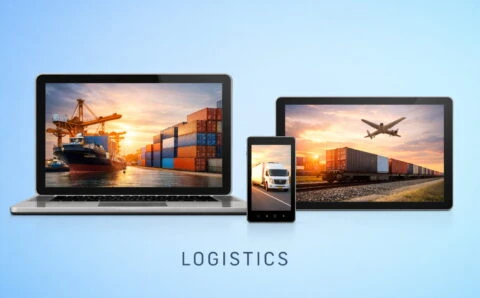
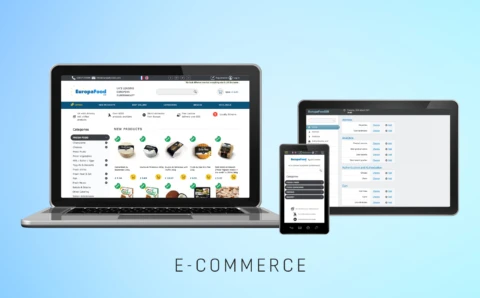
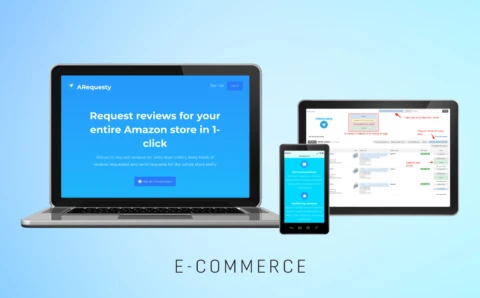
Across our cooperations, outcomes follow consistent patterns: 30-60% latency reduction through query optimization and caching, improved throughput under peak loads without infrastructure additions, and faster release cycles through clearer architectural boundaries. These results span SaaS platforms, automation tools, and API products across eCommerce, logistics, healthcare, and fintech.
When Python doesn’t fit
Trade-Offs and Limitations
Knowing when Python is the right choice is as important as knowing how to use it well, and we will always tell you which situation you are in.
When Python Is Not Optimal
When Simpler Architectures Outperform Complex Designs
FAQ
Frequently Asked Questions
Before engaging, most clients want answers to the same core questions, so we’ve addressed them directly below.
Who is our custom Python software development service for?
Are there cases where PLANEKS is not the right choice?
How do you ensure quality after the engagement ends?
Testimonials
What do people praise about PLANEKS?
PLANEKS helps companies design, build, and scale Python-based systems, whether it’s a from-scratch product, a backend rewrite, or an integration layer that needs to handle high load resiliently. Request a consultation on your next Python-based project.

Andras Marozsi
Finding competent automation engineers who produce a high quality code was very challenging, most other candidates just automatically started to add timeouts when they faced an issue. Candidates who PLANEKS offered had a much more mature approach, started with understanding the challenge and then provide a proper solution. I am happy to refer PLANEKS to any friend who needs reliable contractors.

Gabriel Yarra
Results were exactly what I wanted. PLANEKS was very flexible and able to quickly accommodate many requests. The fulfilled all phases of the project, and the result was a working application. Clear communication with no miscommunications or confusion. Professionals. Easy to work with!

Antoine Falisse
I am happy with PLANEKS’ services. The team’s project management is great, and their resources always meet deadlines. Communication is great too. I feel they’re a part of my team and really care about the project. Overall, the partnership has been truly successful.

Anonymous (Financial App)
What we found most impressive about PLANEKS was their exceptional ability to seamlessly integrate complex financial and technical components, delivering a user-friendly solution that met our needs effectively. Their dedication to both project management and customer service set them apart, ensuring that every aspect of our collaboration, from development to issue resolution, was handled with the utmost professionalism and responsiveness. This combination of technical prowess and exceptional service made them a unique and outstanding partner.

Marissa Huggins
PLANEKS did deliver projects on time and we are extremely happy with our services to-date. Not only has Anton been extremely kind in helping us navigate many time zones and work cultures, the engineers assigned have always been extremely professional and complete their work relatively as requested and on time. This is the most thorough and considerate engineering team we have ever outsourced by far. While there are still some gaps around communication and expectations for deliverables,this has been our best experience with offshore work yet.

Turi Mercuri
PLANEKS was ahead of schedule and built far more advanced than expected! What did I find most impressive or unique about this company? Professionalism, efficiency, clear communication and willingness to think outside the box to complete the tasks within fewer hours and at a higher standard than expected!! I will be working with PLANEKS for any future software development.

James Plowright
They meet their customer promises and communicate well. Anton is a great project manager and communicator, as a non-tech product owner I’ve found that he’s played an integral role in filling in the gaps to ensure there’s product design and technology alignment. We are due to launch soon and excited to start collecting feedback!

Daniel Smith
The projects have been completed on time and within budget. PLANEKS made sure that everything goes smoothly. Communication is excellent. They are happy to integrate with our existing tools and processes to communicate on projects. Furthermore, PLANEKS are open and honest about their capacity and capabilities.

Chloe Dagenais-Mignault
Our app needs quite specific knowledge and there is a big learning-curve, to which they have adapted quickly. Every deliverable has been finished in time and with great quality. All expectations were met and beyond. We really like PLANEKS’s teamwork and ability to understand complex business problems, business logic and how to efficiently address those problems in our code.
5.0/5.0
Blogs & news
Interesting articles regularly updated

Best 7 Hospitality API for Restaurants
The top seven hospitality APIs restaurants should adopt, how to choose the right one, and what to watch out for when you …

Django API Development: the Complete Guide
Evaluating Django for an upcoming project, want to define what their engineering team is building with, or need to assess whether Django …