


Python Development Company for Startups

planek
planek
planek
planek
planek
planek
planek
planek
planek
planek
planek
planek
planek
planek
planek
planek

    TALK TO A STARTUP PRODUCT EXPERT

    Build your Python product with a team understanding startup delivery

    python startup development

    PLANEKS helps technology startups build, improve, and scale Python products – SaaS platforms, APIs, web applications, internal tools, backend-heavy systems, and MVPs. Our Python development for startups covers discovery through post-launch delivery.

    We use AI where it speeds up research, testing, documentation, and implementation, while keeping security, architecture, and product decisions human-controlled.

    Discuss your startup

    Where Is Your Startup Now?

    Founders come to us at different points: with a concept, early users, or with a prototype that needs to become a working solution. The right starting point of software development for startups depends on where the product actually is.

    • startup development
      You Need to Scale Delivery Before Hiring a Full Team
      When internal hiring is too slow for the roadmap, we add Python capacity - developers, QA, DevOps, or a tech lead - without requiring a full outsourcing handoff. You can get engineers to work inside your existing tools and ceremonies.
    • startup idea
      You Need an MVP Built by an Engineering Team
      You may need a team to build the first usable product. It must reach real users, pilots, or investors, and remain resilient when they start using it. We build MVPs with a Django and PostgreSQL foundation that can seamlessly grow after launch.
    • startup mvp
      You Have Early Users but Need a More Reliable Product
      First users or pilots are in the product. Early shortcuts are slowing delivery, the roadmap is growing, and stability needs to improve - all at once. Our team addresses platform stabilization and feature delivery in parallel.
    • startup prototype
      You Have an Idea but Need Technical Clarity
      A product concept exists, but the scope is unclear, so before development starts, founders need to understand what will be built first and where the technical risks lie. We use AI-assisted research to move through early exploration faster, but final scope and technical decisions go through engineering review.
    • startup scale
      You Have a Prototype but Need Real Software
      A clickable prototype, no-code workflow, AI-generated demo, or manual process exists. We replace demo logic with a real backend, database, APIs, authentication, admin workflows, and deployment, designed to handle actual users and data.


    Startup Product Services

    Our Python development for startups is organized around where the product is: each engagement starts with a comprehensive understanding of the current stage and the next concrete milestone.

    Product Discovery and Scope Planning

    Discovery defines the core product workflow, separates must-have features from later additions, identifies technical risks, maps user roles and business logic, and prepares the development roadmap. Skipping discovery is where outsourcing for startups most often goes wrong. The deliverables are a prioritized backlog, a risk log, and a technical brief ready for development scoping.
    Discovery Phase

    Technical Feasibility Review

    Architectural feasibility, integration constraints, data model complexity, third-party API limitations, and build-versus-no-build decisions are a separate exercise from discovery. They answer whether the proposed approach will hold at the next stage. AI helps us flag risks faster, but feasibility decisions are validated by our qualified engineers. We also review infrastructure options, security requirements, performance expectations, and budget-impacting trade-offs before development starts.

    Python MVP Development

    We build first usable products covering core backend logic, authentication, dashboards or admin panels, APIs, deployment, and essential integrations. Our default stack is Django with PostgreSQL. For more performance-sensitive workloads, we may introduce FastAPI when the latency justification is documented. We adopt AI to accelerate coding, testing, and documentation tasks; every critical flow and release still stays under engineer review.
    MVP Development for Startups

    Prototype-to-Product Development

    Many startups create early prototypes with no-code tools or AI-generated demos. PLANEKS turns prototypes built with no-code or AI tools into tangible products that handle real users, real data, permissions, integrations, and future changes - replacing demo logic with a stable backend architecture and a maintainable codebase.
    Prototype Development Services

    SaaS Product Development

    Subscription logic, permissions, dashboards, admin workflows, billing, analytics, and customer lifecycle logic require careful backend architecture before users are onboarded. Bolting on multi-tenancy or billing after launch is far more expensive than modeling it correctly in Django from the start. Avoid costly SaaS rebuilds by designing the core product logic and data structure correctly from the start.
    SaaS Development Services

    API and Integration Development

    Payment systems, CRM and ERP connections, analytics pipelines, partner APIs, AI APIs where relevant, and background workflows implemented using Celery or SQS all belong to the same delivery responsibility. Integrations should support the product's core workflow without degrading the user experience. Our engineers essentially take over reliability, security, and error handling.
    API Integration Services

    Python Backend Development

    PLANEKS is adept at backend architecture, business logic, data workflows, authentication, permissions, and admin systems. We own backend decisions across the product, architecture, APIs, data logic, and integrations, so technical choices stay coherent as the product grows.
    Python Backend Development Services

    Post-Launch Refactoring and Scaling

    After validation, before scaling makes shortcuts expensive, it is the right time to refactor. We clean up early shortcuts, stabilize data flows, improve performance, and prepare the codebase for more users - without forcing a full rebuild. Get a scalable Python architecture.
    API Modernization Services

    Startup Team Extension

    Dedicated Python developers, QA engineers, DevOps, and tech leads partner cohesively within your existing sprints and tools, supporting founders, CTOs, and product teams directly. Our developers use AI-assisted workflows where appropriate, while maintaining clear code review, delivery standards, and technical accountability.
    Python Backend Development Services

    What We Help Startups Decide

    Before development starts, we work through the same set of questions with every founder: what to build, what to defer, and what to replace with an existing tool. We aim to get those answers right and keep the budget moving toward a validated product.

    01

    What Should Be Built First?

    Core user workflow, minimum user roles, essential admin features, and critical integrations only. The goal is a production-ready first version that reaches real users fast enough to generate a signal. Everything added beyond that delays validation without improving it.
    02

    What Can Wait?

    Advanced dashboards, complex automation, non-critical integrations, enterprise features, and configuration options that serve a product that may never need them. Scope discipline at the MVP stage is a technical responsibility.
    03

    What Can Use AI or Existing Tools?

    Authentication services, payment processors, email tools, analytics platforms, admin frameworks, and AI APIs span a broad range of functionality that does not require custom Python development. We help founders identify where existing tools make the most sense.
    04

    What Must Stay Human-Controlled?

    Architecture decisions, security-sensitive logic, user data handling, billing logic, permissions, code review, and release strategies all require engineer accountability. AI handles repetitive work, while our engineers own the decisions that affect reliability, security, and product direction.

    How We Use AI in Startup Development

    We employ AI where it helps the project move faster or improve quality, and we avoid it where human analysis, security, or product responsibility is required.

    AI for Speed

    Research, code assistance, testing support, documentation, repetitive implementation, and data analysis all benefit from AI tooling at the right points in the delivery cycle. The time savings go into engineer review and product quality.

    Human Review for Quality

    Architecture review, code review, security checks, testing, deployment review, and product trade-off discussions remain engineer-led. AI output enters the codebase only after a qualified engineer has reviewed it.

    What Matters Most for Technology Startups

    These are the priorities that define how we run every Python for startups engagement, from the first discovery call to post-launch delivery.

    Speed Without Chaos

    Startups’ success heavily depends on development speed. AI can speed up work - but speed still requires scope control, code review, and delivery visibility. Every sprint should advance a testable assumption.

    Scope Discipline

    Separating must-haves from later features and avoiding overbuilding before validation keeps the roadmap transparent and the budget working on what matters.

    Practical Architecture

    Architecture is chosen for where the product is today and where it realistically goes next, not for an imagined enterprise version. Premature microservices can add operational complexity before a product has proven demand.

    Product Readiness After Launch

    Support, monitoring, bug fixes, integrations, performance improvements, and roadmap delivery all become real after the first users arrive. We stay engaged through and after launch.

    Startup Tech Stack

    Our technology choices follow stage requirements. The stack we work with handles real production workloads for backend-heavy startup products.

    Django logo

    Django

    MVPs, SaaS products, dashboards, admin-heavy systems, and backend-heavy web applications. Django's ORM, admin panel, authentication, and reusable app architecture eliminate weeks of boilerplate from early sprints.
    Hire Dedicated Django Developers
    fastapi logo

    FastAPI

    High-throughput endpoints, async-heavy services, and API components where response time is a priority requirement. FastAPI is used when Django's synchronous request handling becomes a measurable constraint.
    FastAPI Development Services
    postgre database logo png

    PostgreSQL

    Product data, subscriptions, user roles, reporting, and transactional consistency across operational workflows.
    Docker logo small png transparent

    Docker/Cloud Infrastructure/CI/CD

    Stable environments, deployment automation, release pipelines, and a cloud environment from the first production deployment.
    99 %

    Job success rate

    5

    only by our clients

    $ 120 mln

    raised by our clients

    Startup Product Examples

    Our technology choices follow stage requirements. The stack we work with handles real production workloads for backend-heavy startup products.

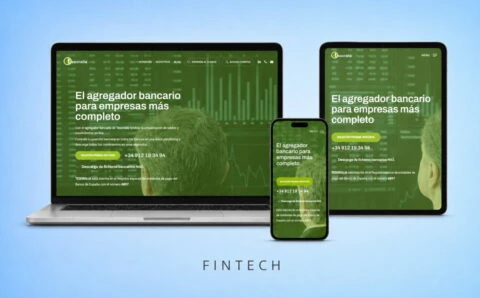
    MVPs Built for First Users

    Call Management SaaS - designed an AI-powered call management platform from scratch, turning a Lovable prototype and PHP proof-of-concept into a production-grade multi-tenant SaaS within a 3-month MVP timeline.

    Prototypes Turned into Products

    Elaborate - turned a healthcare concept into a med-tech platform that delivers personalized, human-readable lab result insights to patients in real time.

    SaaS Products Built for Growth

    Spontivly - a data analytics SaaS platform integrating with community tools to deliver custom charts and insights; the client called it the best offshore engineering experience they had worked with.

    Products Improved After Early Traction

    Logistics Platform - reengineered a legacy transportation management system for one of the largest logistics providers in the Netherlands, replacing fragmented tools with a unified platform and reducing heavy report load times from minutes to seconds.

    Why Startups Choose PLANEKS

    PLANEKS is the top Python outsourcing company for startups because product thinking and engineering happen simultaneously, from day one.

    Product Thinking Before Development

    Our team clarifies what should be tested first, reduces unnecessary scope, and pushes back on features that add cost without advancing validation. That discipline has helped our clients collectively raise over $120 million.

    AI-Assisted Delivery, Human-Controlled Results

    We use AI to support speed and quality, but architecture, code quality, security, delivery, and product decisions remain human-controlled.

    Python Backend Ownership

    Backend decisions, APIs, integrations, data logic, performance, and deployment support are handled as a single end-to-end process, covering Python for small business products and scaling startups alike. Technical decisions stay consistent across the product as it grows.

    Practical Architecture Choices

    We build with a practical Django monolith that can be decomposed later, when the scaling justification exists. Both throwaway MVPs and overbuilt systems cost more than a well-scoped first version.

    How We Support Startups at Different Stages

    Our software development for startups is structured around where the startup is. Founders with a clear scope start differently from businesses that need to do discovery.

    1

    Discovery Sprint

    Scope clarity, technical validation, build-versus-no-code decisions, and a roadmap before committing to development. The best Python development company for startups runs discovery before writing code.
    2

    MVP Build

    A first usable product built by an engineering team. Scoped after discovery, delivered with deployment and post-launch support included. The right starting point is when the goal is to reach real users, pilots, or investors as fast as the architecture allows.
    3

    Dedicated Python Developers

    Businesses with internal leadership that need additional delivery capacity. Engineers adept at Python for startups, QA engineers, DevOps, and tech leads work inside your tools, sprints, and communication channels.
    4

    Technical Advisory

    Founders or early CTOs who need guidance on architecture, AI use in the product, technology selection, or scaling plans. Structured around specific decisions, not open-ended retainers.
    5

    Post-Launch Product Team

    Startups with users, pilots, or traction that need roadmap delivery, refactoring, integrations, or scaling support. Our experts keep feature delivery moving while addressing the backend debt that early speed created.

    How We Help Startups Avoid Costly Mistakes

    Common failure modes in software development for startups are predictable. These are the patterns we actively prevent in every engagement.

    We Prevent Overbuilding

    We define MVP or first-version boundaries, prioritize core workflows, postpone advanced features, and keep assumptions testable. Every sprint should deliver something that can be validated with real users.

    We Avoid Throwaway Builds

    Practical backend structure, a clear data model, essential tests, and room for future growth are built in from the outset. Skipping foundations is the most reliable way to force a full rewrite several months after deployment.

    We Use AI Responsibly

    AI-assisted work is applied where useful, human review on every critical path, code quality checks before merge, and security-sensitive areas are reviewed by engineers. Reliability comes from the engineer's review, not the automation.

    We Keep Development Visible

    Sprint demos, backlog visibility, direct communication, trade-off discussions, and code reviews keep founders and CTOs informed. Visibility should be a delivery standard.

    We Plan for Post-Launch Reality

    Users will request changes, the product may require modifications, integrations may evolve, and data volume may grow. We plan for this from the architecture stage, so the product handles it without a crisis.

    Software development cost for startups

    How much does it cost to develop a software solution for a startup?

    GET STARTED

    0$

    Thanks, we will contact you soon

    0

    What type of engagement do you want to estimate?

    Our professionals join your existing team full-time, adding more capabilities as necessary
    Full delivery of your project
    You need to select an item to continue

    Step 1.1

    What is your planned commitment period for the talent?

    You need to select an item to continue

    Step 2.1

    Which industry does your project serve?

    You need to select an item to continue

    Step 1.2

    What type of services and skills do you need for your project?


    You need to select an item to continue

    Step 2.2

    What type of software are you looking to develop?


    You need to select an item to continue

    Step 1.3

    What level of expertise do you need for your project?

    You need to select an item to continue

    Step 1.4

    What are the key technologies you need for your project?

    You need to select an item to continue

    Step 1.6

    When do you need to start working with the extended team?

    You need to select an item to continue

    Step 1.5

    How many talents do you need to extend your team?

    You need to select an item to continue

    Step 2.3

    What type of company do you represent?

    (looking to create a new product)
    (developing software for commercial distribution)
    (developing software for internal use)
    You need to select an item to continue

    Step 2.4

    What is your primary objective for this project?

    You need to select an item to continue

    Step 2.5

    What is the planned engagement duration for the project team?

    You need to select an item to continue

    Step 2.6

    What is your expected user volume in the first year?

    You need to select an item to continue

    Step 2.7

    What key technologies do you need for your project?

    You need to select an item to continue

    Step 2.8

    What level of complexity do you need for your UX/UI design?

    (I’m okay with buying a ready-made template)
    (Plain design with no customization or animation)
    (Design tailored to meet your unique business needs)
    (Designs featuring complex animations tailored to your specific requirements)
    (Client provides their own design)
    You need to select an item to continue

    Step 2.9

    What resources do you currently have for your project?

    (Conceptual stage, no material resources)
    (Plain design with no customization or animation)
    (Existing minimum viable product)
    (Idea, design, and MVP ready)
    You need to select an item to continue

    Step 2.10

    When do you want to start the project?

    You need to select an item to continue

    Step 2.11

    What is your desired timeline for development, testing, and deployment?

    You need to select an item to continue

    Step 2.12

    Do you need any third-party service integrations?

    Third-party service integration connects your software with external tools to enhance its functionality. This is typically done via APIs, SDKs, or direct integration using specific protocols.
    You need to select an item to continue

    Step 2.13

    Do you require an administrative panel for your solution?

    An admin panel allows system administrators to manage users, oversee content, process payments, and access statistics and reports.
    You need to select an item to continue

    Step 2.14

    How do you prioritize your project requirements?

    (Cost reduction, Prioritize rapid delivery, Issues are acceptable)
    (Aim for a near-perfect outcome, acknowledging that it may require more time)
    (I am not sure about my priorities)
    You need to select an item to continue

    Step 2.15

    Will you require a project manager for your project?

    You need to select an item to continue

    Final Step

    Summary

    Description Information Quantity Price
    Discount :
    Total :

    Testimonials

    If you are scoping an MVP, validating a product idea, working from an AI-generated prototype, or planning post-launch architecture for an existing product, tell us where your product is today. We will define the right scope, the right technical approach, and a realistic timeline – contact us today.

    FAQ

    Common questions from founders and CTOs about Python development for startups.

    Do you build MVPs for startups?

    Yes, when a startup needs an engineering team to create the first usable product. Scope is defined through discovery, delivery covers core functionality and deployment, and post-launch support is included.

    Can you work with an AI-generated prototype?

    Yes. We review the existing code, rebuild the backend architecture for production use, add testing, and prepare the product for real users and data.

    How do you use AI in development?

    AI supports research, code assistance, testing, documentation, and analysis, reducing time spent on repetitive work. Engineers remain responsible for architecture, code quality, security, and delivery decisions.

    Can you help us decide what should be custom-built?

    Yes. Discovery, feasibility review, and build-versus-buy decisions are part of every early-stage engagement.

    Can you help before we hire a CTO?

    Yes. Technical discovery, architecture guidance, scope planning, and product and engineering trade-off discussions are all part of how we work with pre-CTO founders.

    Can you join our existing startup team?

    As a top Python outsourcing company for startups, we place dedicated developers, QA, DevOps, and tech leads directly inside your tools, sprints, and communication channels.

    Can you support us after first users or pilots?

    Yes. Roadmap delivery, refactoring, monitoring, integrations, performance improvements, and team extension are all available after launch.

    How much does startup product development cost?

    The cost of Python development for startups depends on product stage, scope, team setup, integration requirements, architecture complexity, AI-related functionality, and timeline. A discovery sprint produces accurate estimates for everything that follows.

    Do startups own the code?

    Ownership is defined in the contract. Client-owned repositories can be set up from day one, and all code produced during the engagement belongs to the client. PLANEKS does not retain intellectual property rights over work delivered.

      Let's help you!

      It's out pleasure to have a chance to cooperate.

      mvp development
      prototype