











Design your software architecture on a solid technical foundation
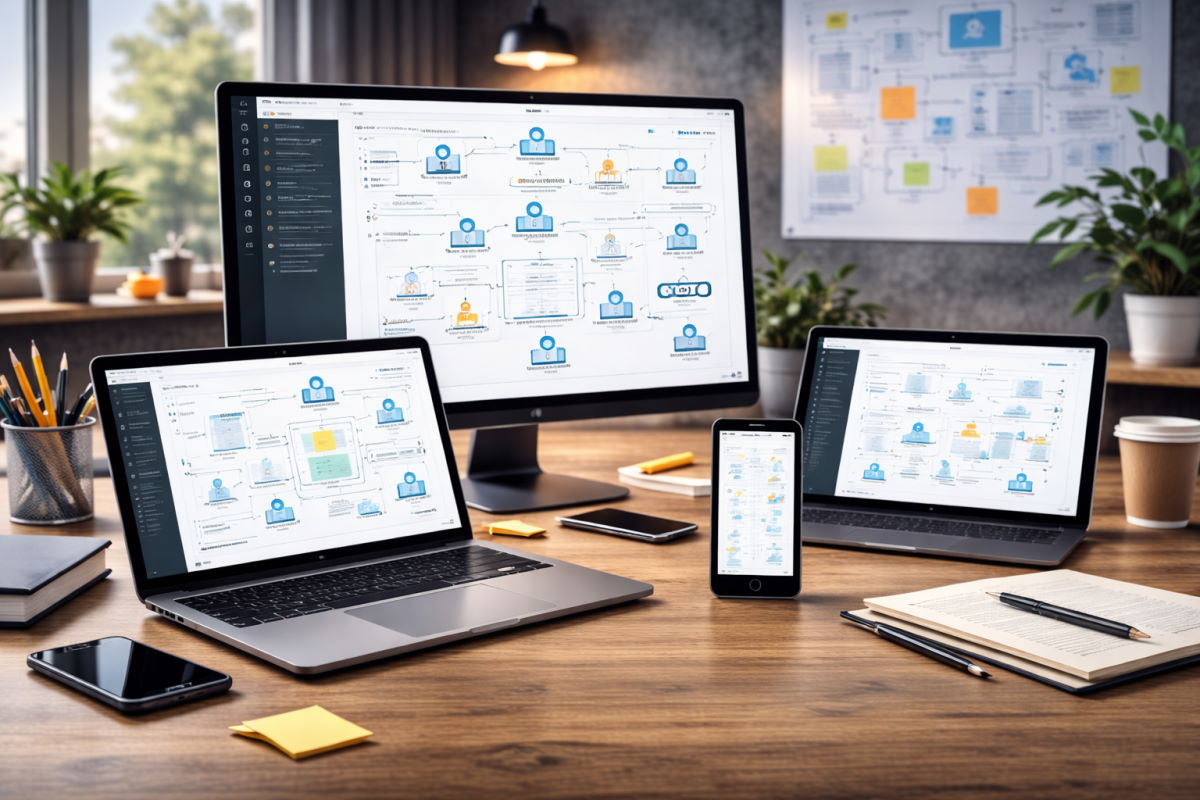
At PLANEKS, we start every engagement with a comprehensive architectural scoping process, diving into your business goals, growth expectations, and technical bottlenecks before recommending any structural approach. Our team has extensive experience with Python-based systems, such as SaaS solutions, API-driven platforms, data-heavy applications, enterprise solutions, and more. By collaborating with our qualified engineers, you gain a solid architecture that eliminates bottlenecks, enables predictable scaling, and keeps the system coherent, supporting your growth.
Our services
Custom Software Achitecture Services
Our custom software architecture services help companies make the right architectural decisions at every stage. We handle every project case with a process tailored to the specific situation.
Scalable and maintainable software is established on solid architecture, which means the most important work is handled before the implementation. System structure, scaling strategy, and component communication carry real weight. According to Harvard Business Review, only 35% of software projects are considered successful, and poor architectural planning can severely damage product quality.
How we design custom software architecture
Our Software Architecture Process
Our software architecture design services follow a well-established process from initial discovery through to implementation-ready documentation. The flow is structured to ensure that by the time architectural decisions are made, all requirements, constraints, and technical risks are already fully comprehended. Besides, with our software architecture company, you gain access to a range of engagement options: from a scoped discovery phase before development starts, with a complete architecture design service, to a deep review of an existing system that produces a special modernization roadmap.
Discovery and Project Scoping
Architecture Strategy and Pattern Selection
Technical System and API Design
Architecture Validation and Prototyping
Implementation Planning and Documentation
Our solutions
Architecture Patterns We Create
Our team determines the appropriate architectural pattern for each product, based on the product’s development stage, team size, technical constraints, and long-term scaling requirements.
Case studies
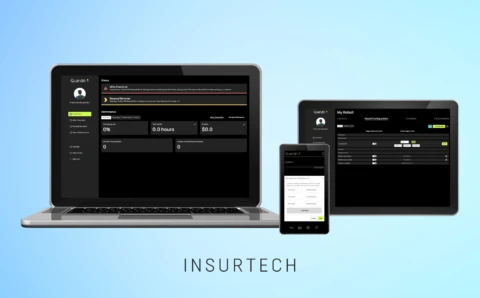
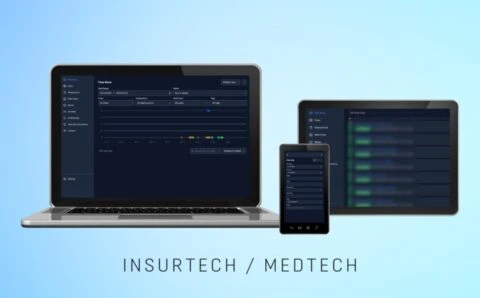
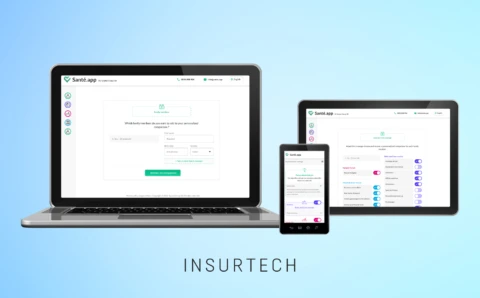
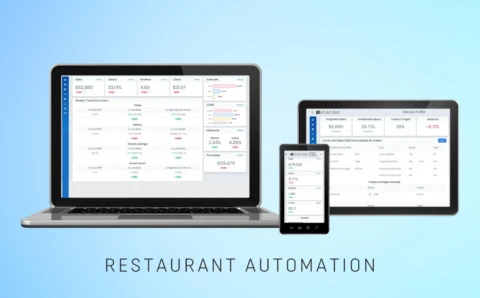
Proud projects make us excel

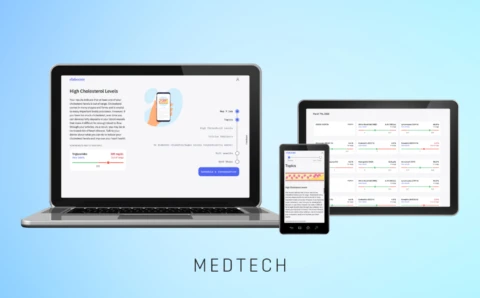
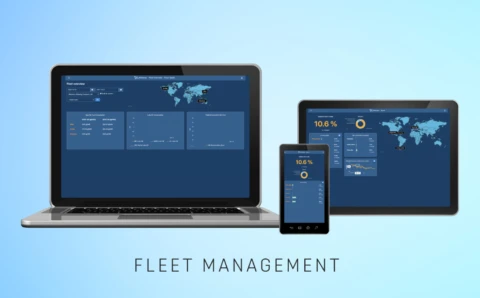

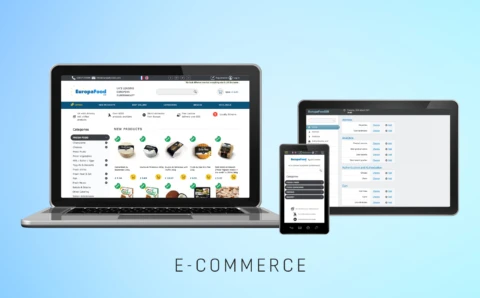
What you can count on
Technical Architecture Deliverables
At the end of an architecture engagement, you are delivered a set of implementation-ready documents that your IT team can efficiently adopt to execute the build with a fully-fledged technical reference supporting every stage of the lifecycle.
System Architecture Diagrams
Service and Module Definitions
API Architecture and Specifications
Data Models and Database Design
Infrastructure and Deployment Strategy
Security and Compliance Architecture
HOW MUCH DOES SOFTWARE ARCHITECTURE DEVELOPMENT COST?
Software Architecture Cost Factors
Pricing for architecture engagements is determined on a per-project basis. We deliver individual software architecture consulting services to assess the scope and provide an accurate cost estimate, taking into account the factors below.
System and Component Complexity
Number of Services and Integrations
Data Architecture and Storage Needs
Security and Compliance Requirements
Job success rate
only by our clients
raised by our clients
What you will get from us
Legacy Software Architecture Modernization
A considerable part of all architectural work doesn’t start from scratch. Many of the systems we assess have been in production for a long time, accumulating structural technical debt that slows change, makes scaling harder, and makes maintenance more expensive. In such cases, we apply a clear and low-risk roadmap for modernization as part of our custom software architecture services.
Migrating Away from Monolithic Systems
Redesigning Outdated Architecture Patterns
Improving Scalability and System Performance
Modernizing Legacy Python and Non-Python Systems
Frequently Asked Questions
FAQ
We receive some repeated questions when clients reach out for our custom software architecture services.
What does a software architect do?
Why choose Python for backend architecture?
How long does architecture design take?
Can you redesign an existing system architecture?
Testimonials
What do people praise about PLANEKS?
Tell us what you’re working with: a from-scratch product in early planning, a system under load, or an architecture that’s becoming harder to maintain. We’ll assess the situation and outline a development strategy. Let’s talk about your system today!

Andras Marozsi
Finding competent automation engineers who produce a high quality code was very challenging, most other candidates just automatically started to add timeouts when they faced an issue. Candidates who PLANEKS offered had a much more mature approach, started with understanding the challenge and then provide a proper solution. I am happy to refer PLANEKS to any friend who needs reliable contractors.

Gabriel Yarra
Results were exactly what I wanted. PLANEKS was very flexible and able to quickly accommodate many requests. The fulfilled all phases of the project, and the result was a working application. Clear communication with no miscommunications or confusion. Professionals. Easy to work with!

Antoine Falisse
I am happy with PLANEKS’ services. The team’s project management is great, and their resources always meet deadlines. Communication is great too. I feel they’re a part of my team and really care about the project. Overall, the partnership has been truly successful.

Anonymous (Financial App)
What we found most impressive about PLANEKS was their exceptional ability to seamlessly integrate complex financial and technical components, delivering a user-friendly solution that met our needs effectively. Their dedication to both project management and customer service set them apart, ensuring that every aspect of our collaboration, from development to issue resolution, was handled with the utmost professionalism and responsiveness. This combination of technical prowess and exceptional service made them a unique and outstanding partner.

Marissa Huggins
PLANEKS did deliver projects on time and we are extremely happy with our services to-date. Not only has Anton been extremely kind in helping us navigate many time zones and work cultures, the engineers assigned have always been extremely professional and complete their work relatively as requested and on time. This is the most thorough and considerate engineering team we have ever outsourced by far. While there are still some gaps around communication and expectations for deliverables,this has been our best experience with offshore work yet.

Turi Mercuri
PLANEKS was ahead of schedule and built far more advanced than expected! What did I find most impressive or unique about this company? Professionalism, efficiency, clear communication and willingness to think outside the box to complete the tasks within fewer hours and at a higher standard than expected!! I will be working with PLANEKS for any future software development.

James Plowright
They meet their customer promises and communicate well. Anton is a great project manager and communicator, as a non-tech product owner I’ve found that he’s played an integral role in filling in the gaps to ensure there’s product design and technology alignment. We are due to launch soon and excited to start collecting feedback!

Daniel Smith
The projects have been completed on time and within budget. PLANEKS made sure that everything goes smoothly. Communication is excellent. They are happy to integrate with our existing tools and processes to communicate on projects. Furthermore, PLANEKS are open and honest about their capacity and capabilities.

Chloe Dagenais-Mignault
Our app needs quite specific knowledge and there is a big learning-curve, to which they have adapted quickly. Every deliverable has been finished in time and with great quality. All expectations were met and beyond. We really like PLANEKS’s teamwork and ability to understand complex business problems, business logic and how to efficiently address those problems in our code.
5.0/5.0

IT Staff Augmentation Guide for Technology Companies
Check the IT staff augmentation guide, disclosing why this hiring model has become inalienable for tech-based businesses, how it is being adopted …

What is a Dedicated Project Team Structure?
The core concept, benefits, best practices, and dedicated project team structure to help you decide if this model fits your project needs. …


